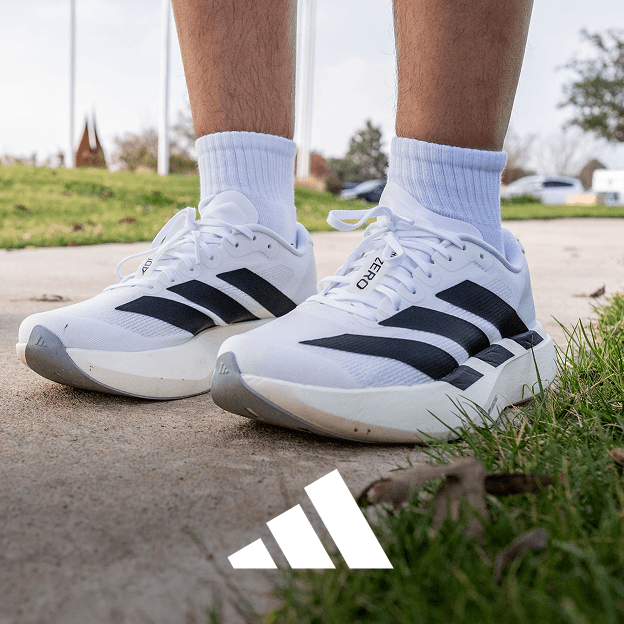
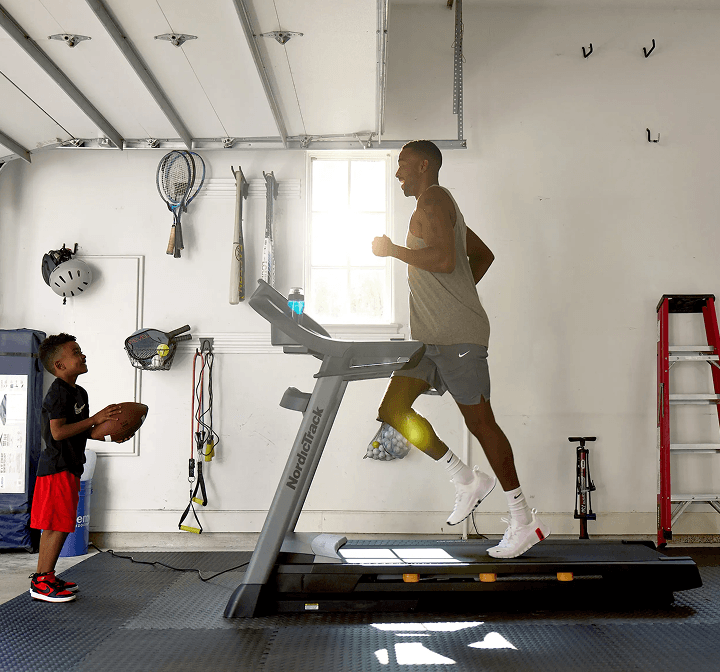
Cushioning affects comfort and is a matter of personal preference. When it comes to choosing running shoes, you should consider the following:
Maximal Cushion: Shoes from brands like HOKA offer a plush, "cloud-like" feel that absorbs impact, ideal for long distances or runners who want ultimate comfort.
Balanced Cushion: Brands like Brooks and ASICS often provide a moderate level of foam that balances softness with responsiveness, making them great all-around daily trainers.
Minimal Cushion: These shoes provide more "ground feel" and are for experienced runners who prefer a lightweight, natural-feeling ride for speed work.
This is all about how your foot moves when you run. Neutral shoes are for runners with a normal pronation, meaning their feet roll inward just the right amount. Stability shoes are for runners who overpronate, meaning their feet roll inward too much. These shoes include features like guide rails or medial posts to provide support and help keep your body aligned.
You should replace your running shoes every 300-500 miles. This is the general range where the midsole foam begins to lose its ability to cushion and support your feet, increasing your risk of injury. Keep an eye out for visible wear on the outsole tread, a compressed feel in the midsole, or new aches and pains after a run.
Not all athletic shoes are created equal. Different activities demand different types of support, traction, and cushioning. Here’s a breakdown of the most common types you'll find at Academy.
Road Running Shoes: Built for consistency and comfort on pavement, asphalt, and treadmills. These shoes prioritize shock absorption and flexibility to handle the repetitive impact of running on hard surfaces. They are lightweight and breathable, keeping your feet cool and comfortable, mile after mile.
Trail Running Shoes: Designed to conquer unpredictable outdoor terrain. Trail running shoes feature durable, reinforced uppers to protect against rocks and branches, and deep, aggressive lugs on the outsole for superior grip on dirt, mud, and gravel. Many also include rock plates for underfoot protection and waterproof GORE-TEX membranes to keep your feet dry.
Cross-Training Shoes: The all-in-one solution for your gym routine. Cross-training shoes are built for multi-directional movement, providing a stable base for lifting weights, agility drills, and short bursts of cardio. They have a tougher, flatter sole than a typical running shoe to provide support during lateral movements and a firm foundation for lifts.
Comparison: Road Running vs. Trail Running Shoes
Feature
Road Running Shoes
Trail Running Shoes
Best For
Pavement, track, treadmills, and hard, even surfaces.
Dirt paths, mountains, mud, gravel, and uneven terrain.
Outsole
Flatter and smoother for flexibility and a consistent ride.
Deep, aggressive lugs for superior traction and grip.
Key Benefit
Lightweight cushioning and breathability for long-distance comfort.
Durability, protection, and stability for off-road adventure.
 Track Order
 myAcademy® Rewards Credit Card
 Need Help?